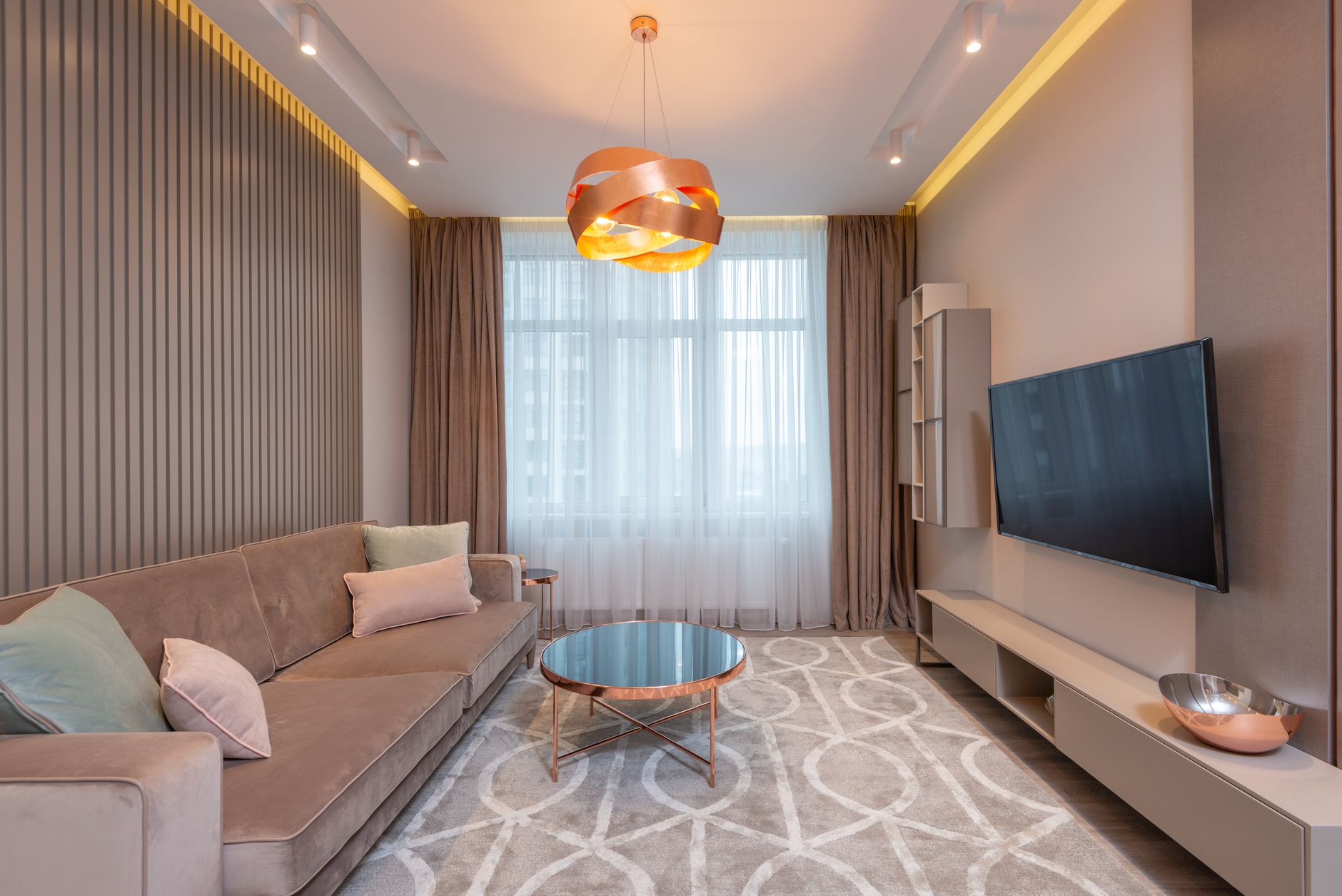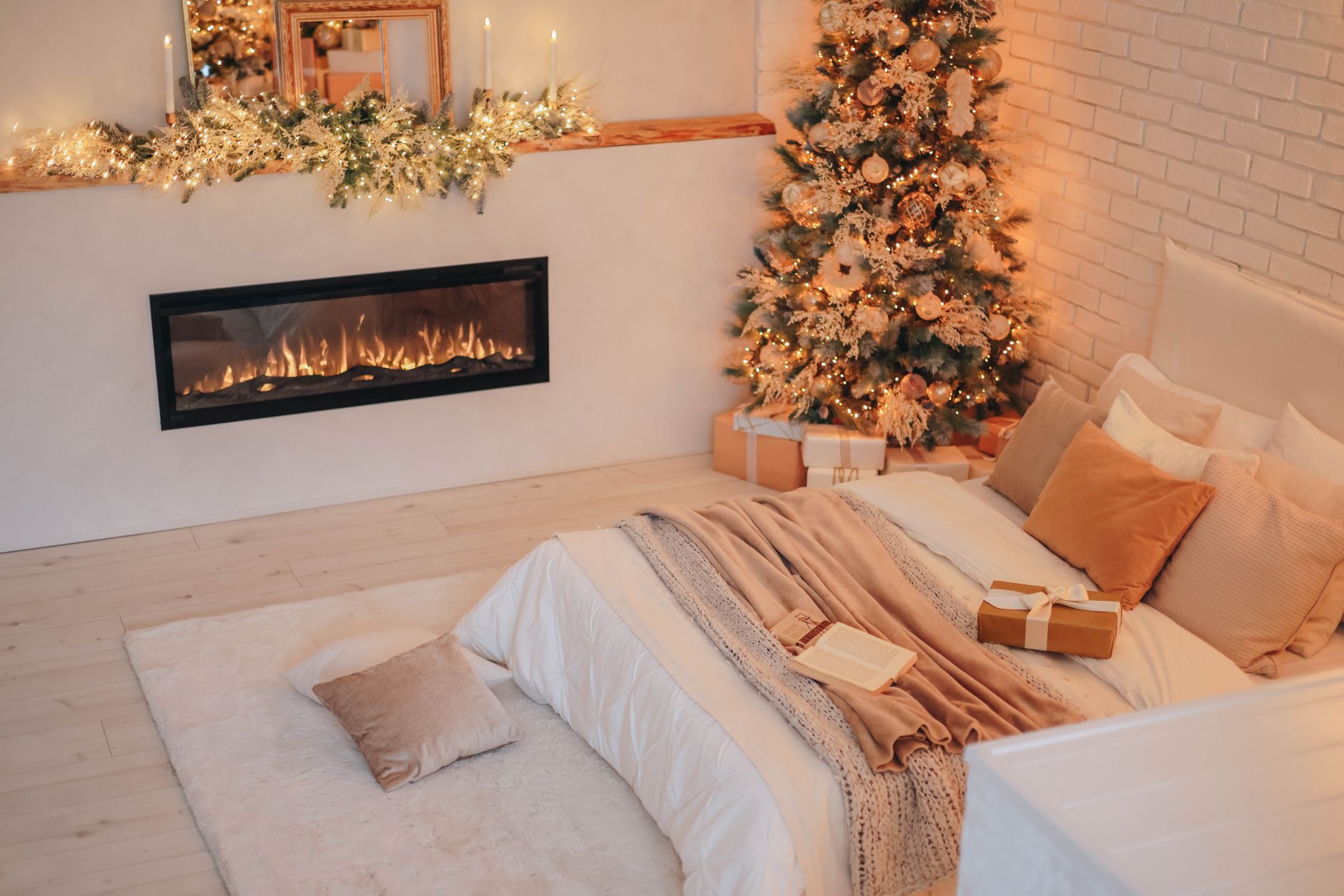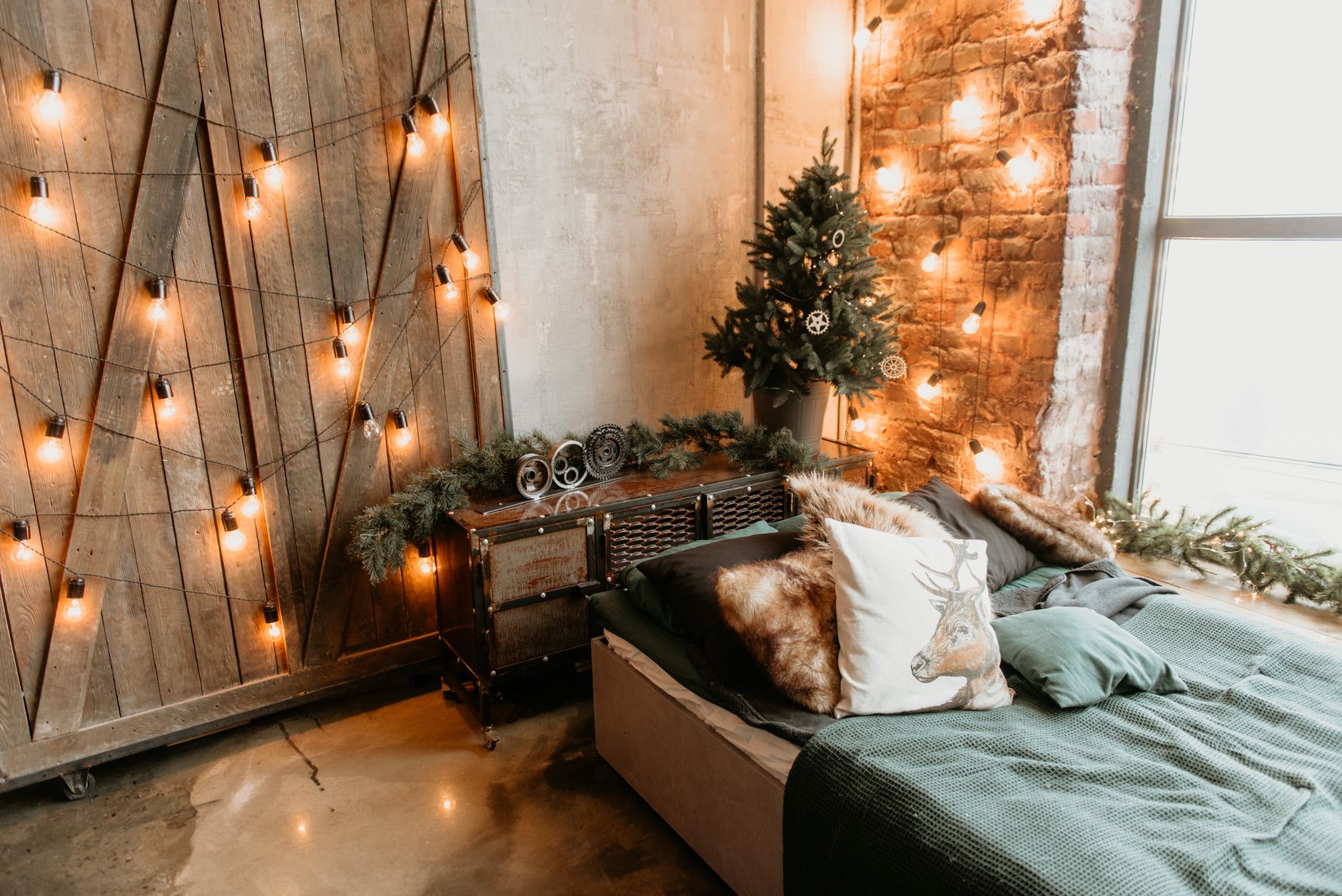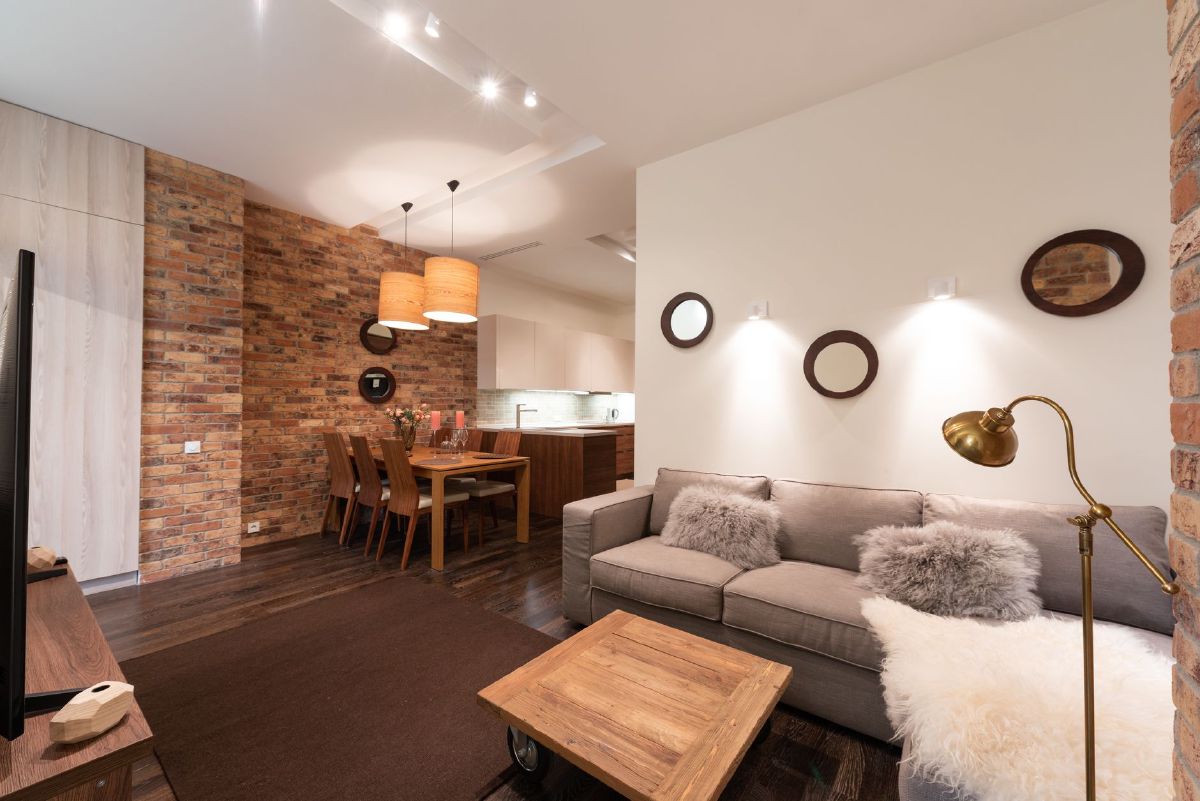
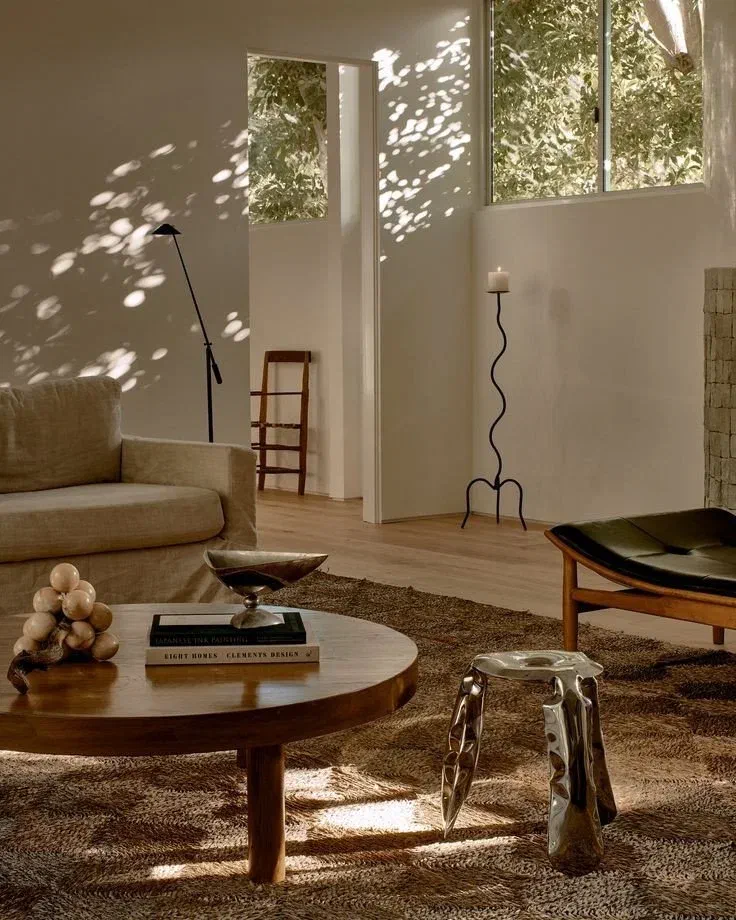
A modern living room in 2026 isn’t one look. It’s comfort-first furniture, a couple of confident textures, and lighting that does more than one job. I’d rather help you pick the one or two ideas below that fit how you actually use the room than talk you into redoing the whole space at once.
The living room has become the hardest-working room in most homes: the place you work from, unwind in, and host in, often all in the same afternoon. That’s why the ideas below lean toward pieces that pull double duty. Seating you can actually sink into, a coffee table with somewhere to hide the clutter, lighting that shifts from bright to moody without you buying a second lamp.
How I chose the anchor pieces
For each look below I picked one or two pieces I’d actually point a reader toward. Not an exhaustive round-up, just an attainable, easy-to-find anchor for that aesthetic, spanning under $15 (a bundle of dried pampas grass) to under $500 (a full modular sofa). I dropped the old “BEST SELLER”/“FEATURED PRODUCT” style badges you may remember from this post’s earlier version. They weren’t real Amazon designations, just Squarespace styling, and I’d rather tell you honestly why a piece earns its spot than slap a label on it.
1. Laid-Back Sophistication
I’d pick a swivel chair over a second sofa nine times out of ten for this look. It does the same lounging job with a fraction of the footprint, and the swivel means it can face the TV, the fireplace, or a conversation without being repositioned.
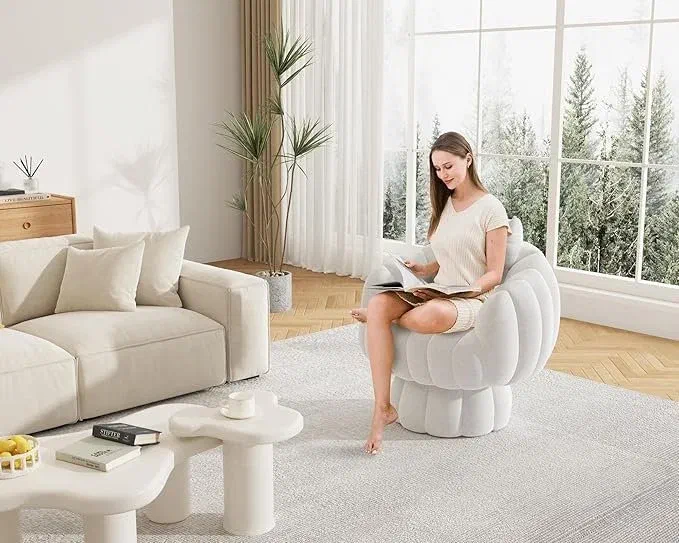
Mid Century Modern 360° Swivel Chair (under $130). A versatile accent piece that reads minimalist without being cold. The honest downside: at this price it’s a lighter-gauge frame than a true statement armchair, so I wouldn’t put it through daily heavy use in a high-traffic household.
Cloud Coffee Table (under $275). The rounded, low-profile shape suits the swivel chair’s soft lines better than a hard-edged rectangular table would. Con: its low height means it’s better for drinks and books than as a footrest-height perch.
2. Bold Patterns & Textures
Make a statement, deliberately, not everywhere at once. One bold piece (a patterned rug, a saturated velvet sofa) reads as intentional; three competing bold pieces just reads busy. A green velvet sectional is my pick for this look because velvet catches light in a way flat cotton doesn’t, which is what actually makes a bold colour feel rich rather than garish.
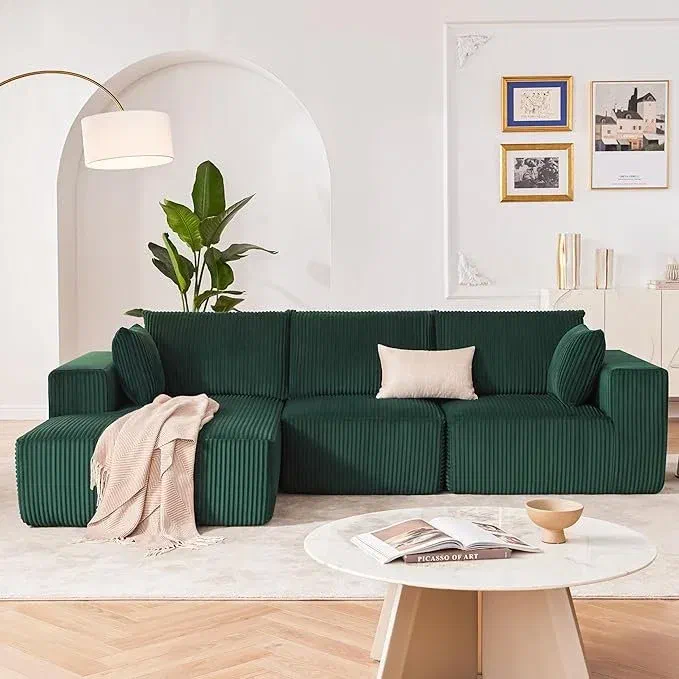
Weture Green Modular Corner Sofa (under $475). The modular sections reconfigure as your room does, which is rarer at this price than it should be. Con: velvet shows crush marks and pet hair more readily than a performance-fabric sofa, so it’s a better fit for a lower-traffic front room than a household with dogs on the furniture.
3. Minimalist Comfort
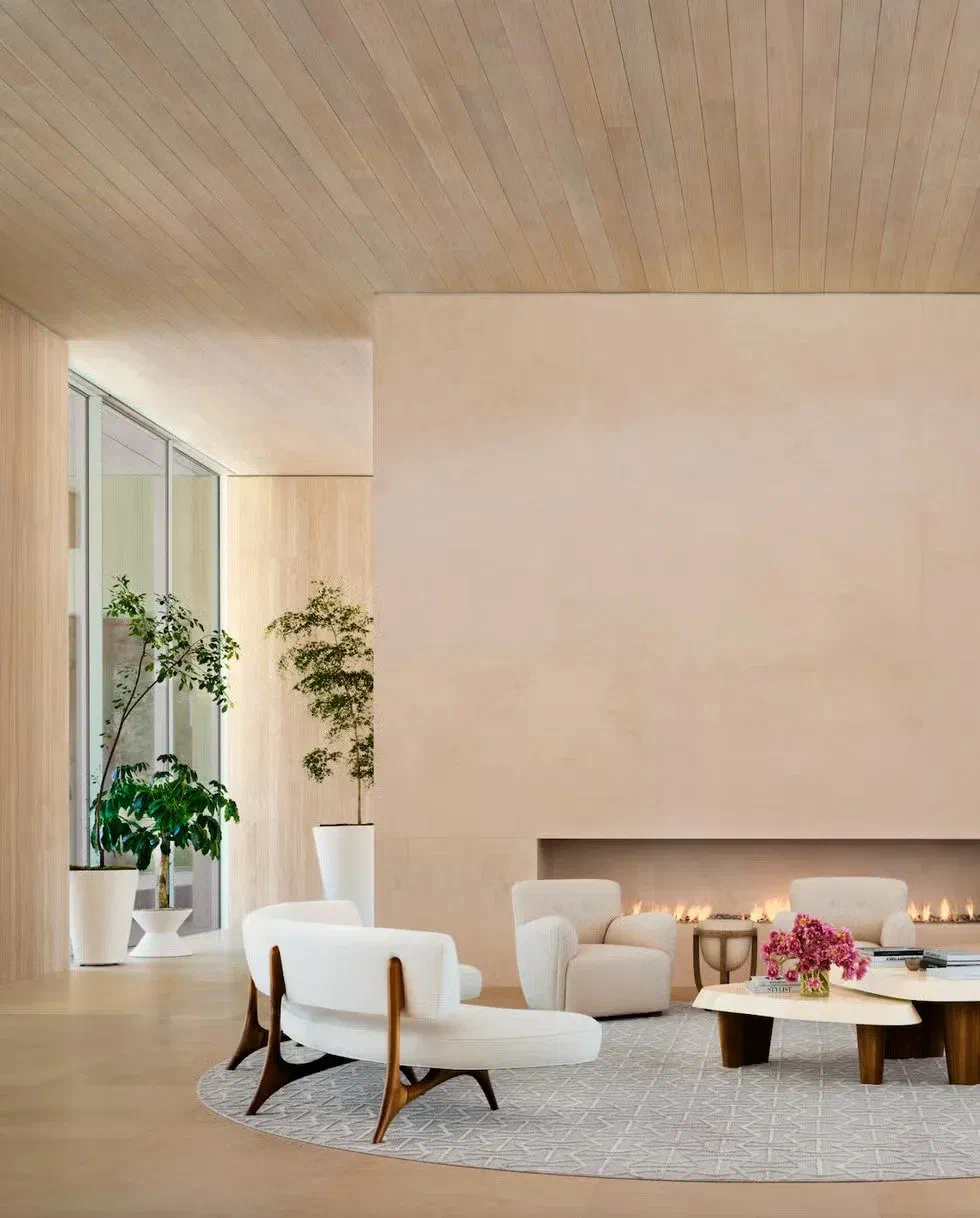
Minimalism doesn’t have to feel stark. I’d rather see a curved sofa and a couple of soft, rounded lounge chairs than the boxy neutral sectional minimalism usually gets reduced to, because curves read warmer even in an otherwise pared-back room. Pair a neutral palette with texture (bouclé, wool, sheepskin) rather than more furniture to keep the warmth without the clutter.
The risk with this look is going too far the other way: strip out every accent color and the room can read as bare rather than calm. I’d keep one deliberately imperfect object in the mix, a raw-edge side table, an asymmetric vase, so the eye has somewhere to land.
4. Mixing Hard and Soft Elements
This is the pairing I’d reach for in a room with existing hard surfaces you don’t want to fight: exposed brick, concrete, an industrial kitchen. Balance a stony or metallic backdrop with a plush wool or silk rug and one oversized soft rug rather than trying to soften every surface individually.
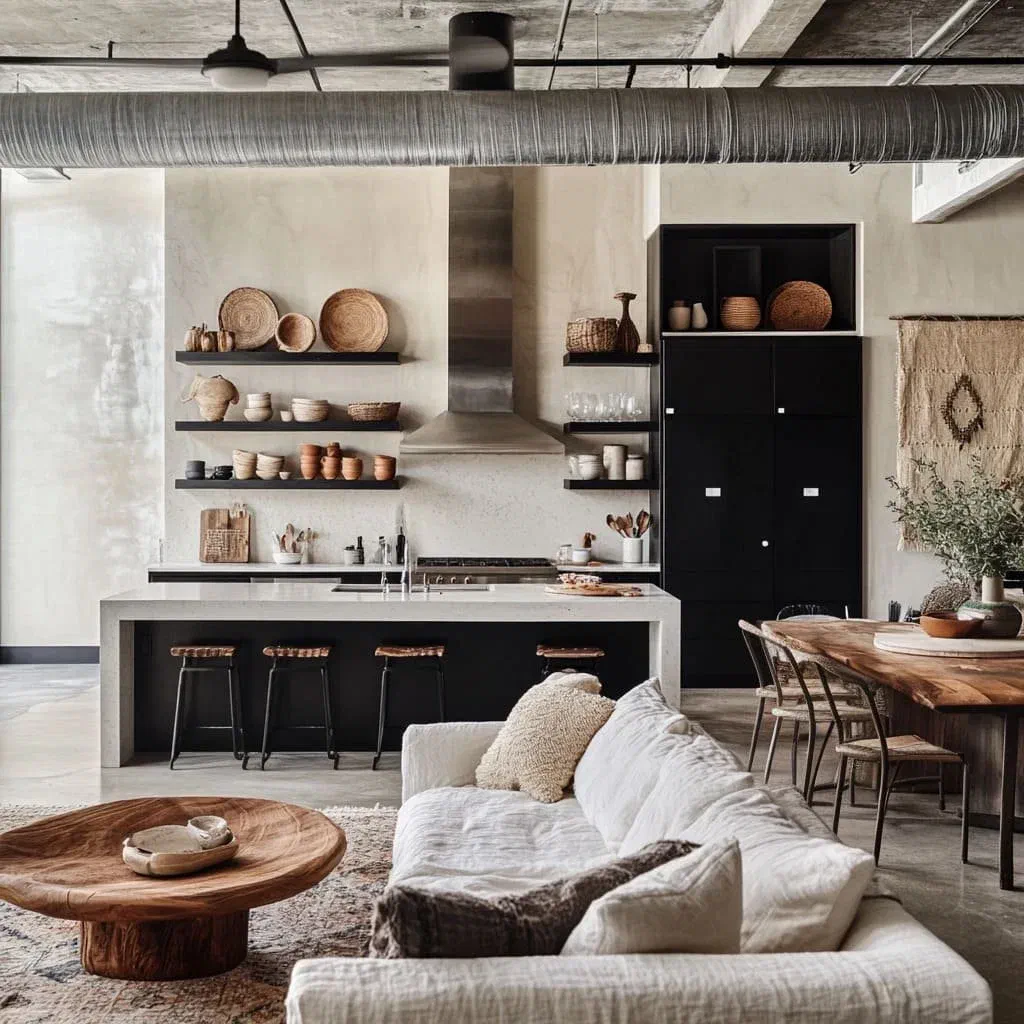
SAFAVIEH Tulum Collection Area Rug (under $130). The Moroccan boho pattern does real work grounding an industrial backdrop without adding another hard material to the mix. Con: at the budget end of area rugs, expect a flatter pile than a premium wool rug. Fine underfoot, less plush.
5. Modern Bohemian Flair
Boho works when it’s restrained to a consistent palette. I’d pick two or three earth tones (rust, olive, terracotta) and repeat them across textiles rather than letting every accessory bring its own colour. Natural materials like wicker, rattan and jute are what separate “curated boho” from “cluttered.”
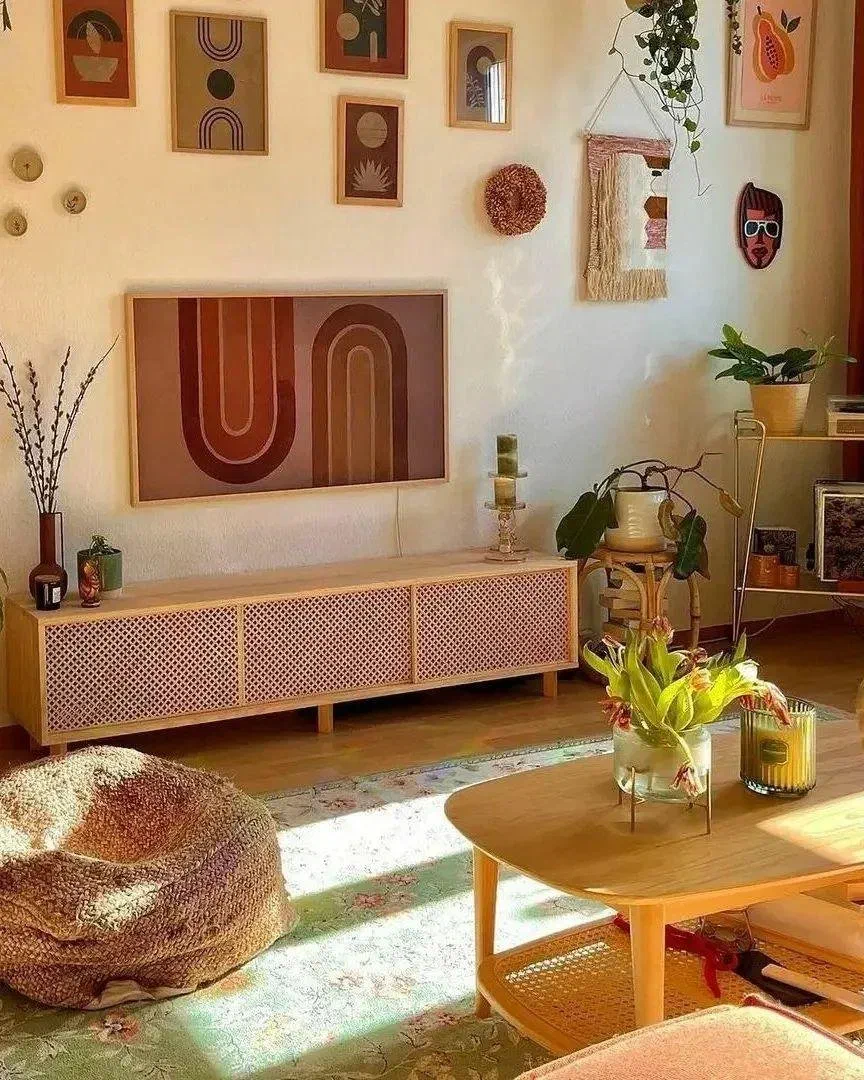
Nesting Banana Leaf Baskets (under $30). An easy, cheap way to add texture and hide shelf clutter in one move, and one of the better value picks in this whole list. Con: banana-leaf weave is more delicate than rattan or seagrass, so keep it away from anywhere it’ll get knocked around daily.
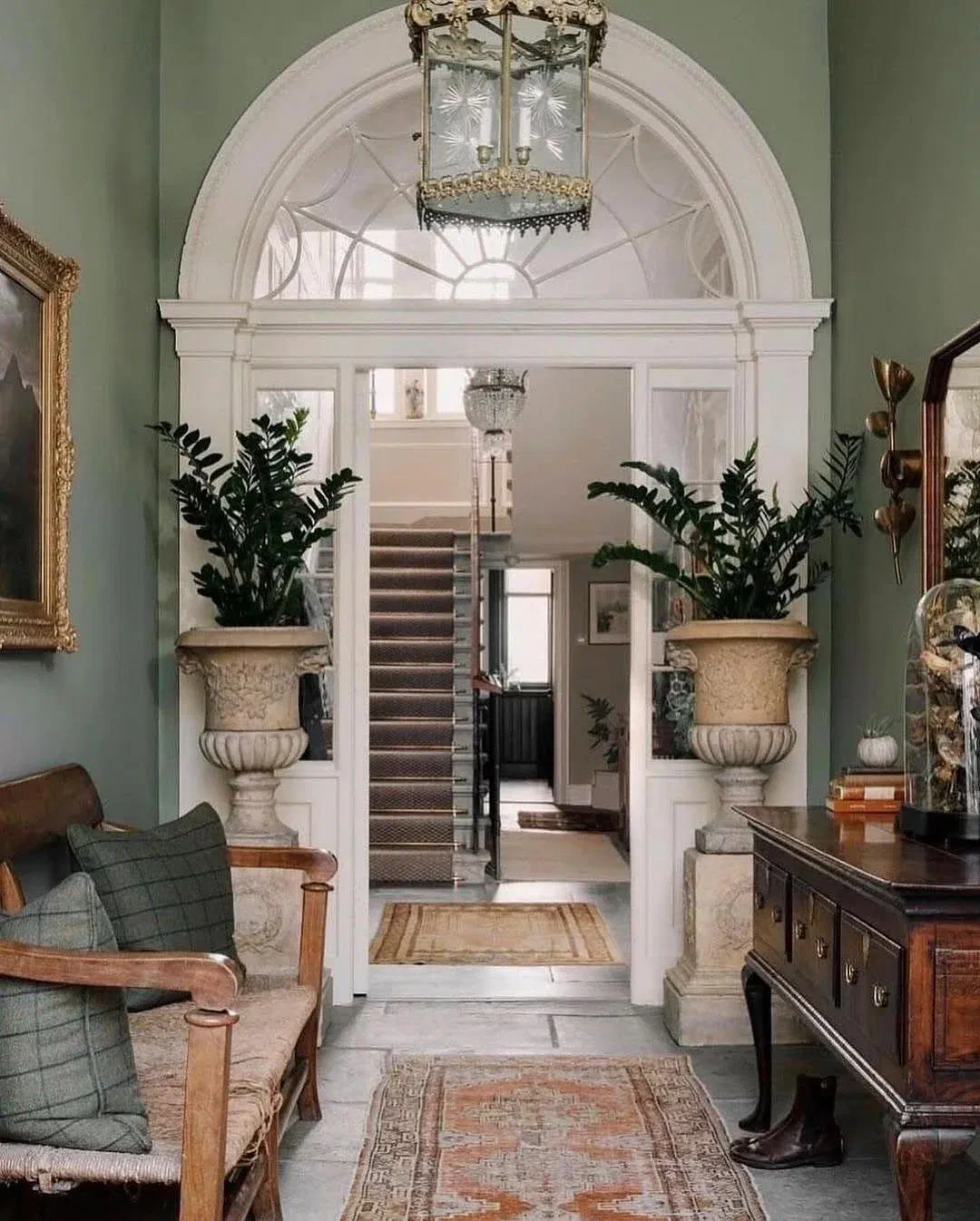
6. Sage Green Accents
Sage is the rare accent colour that works as a small dose (a pillow, a throw) or a full feature wall. It’s calm enough not to date quickly, unlike a lot of 2024’s saturated colour trends. I’d pair it with warm wood tones over cool grey to keep it from reading clinical.
A full sage feature wall is the one place I’d slow down before committing: it reads beautifully in a north-facing room with cooler light, but in a very warm, yellow-lit room it can drift toward a flat olive rather than the fresh sage on the paint chip. Test a sample patch at different times of day first.
7. Scandinavian Minimalism
For a look that ages well, Scandinavian design is my safest recommendation on this whole list. Light, neutral, and functional, so it doesn’t feel stuck in a particular year. The trick to keeping it from feeling bare is texture at floor and table level: a textured rug, a chunky throw, a single vase of dried stems.
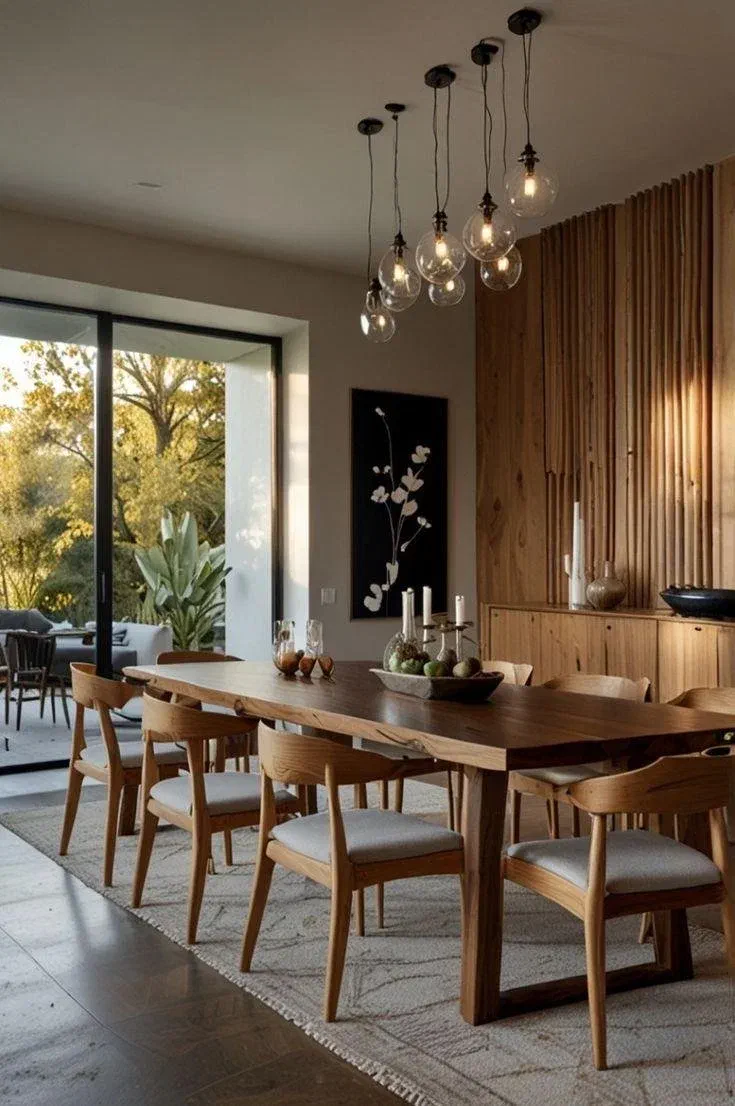
Dried Pampas Grass (under $15). The cheapest, lowest-effort way to add a Scandinavian touch to any room. At this price the only downside is an occasional dusting.
8. Earthy Tones and Natural Vibes
Ground the room with terracotta and forest green, then let wood, stone, and leather do the textural heavy lifting. Real or faux greenery finishes the look. I’d go real where you have decent natural light and faux where you don’t, rather than fighting a plant that’s slowly dying in a dim corner.
Leather is the piece of this look I’d think hardest about before buying: genuine leather ages beautifully but shows scratches from pets and kids fast, and a faux alternative won’t develop the same patina no matter how good the grain looks in the showroom. Decide which trade-off you can live with before the sofa arrives, not after.
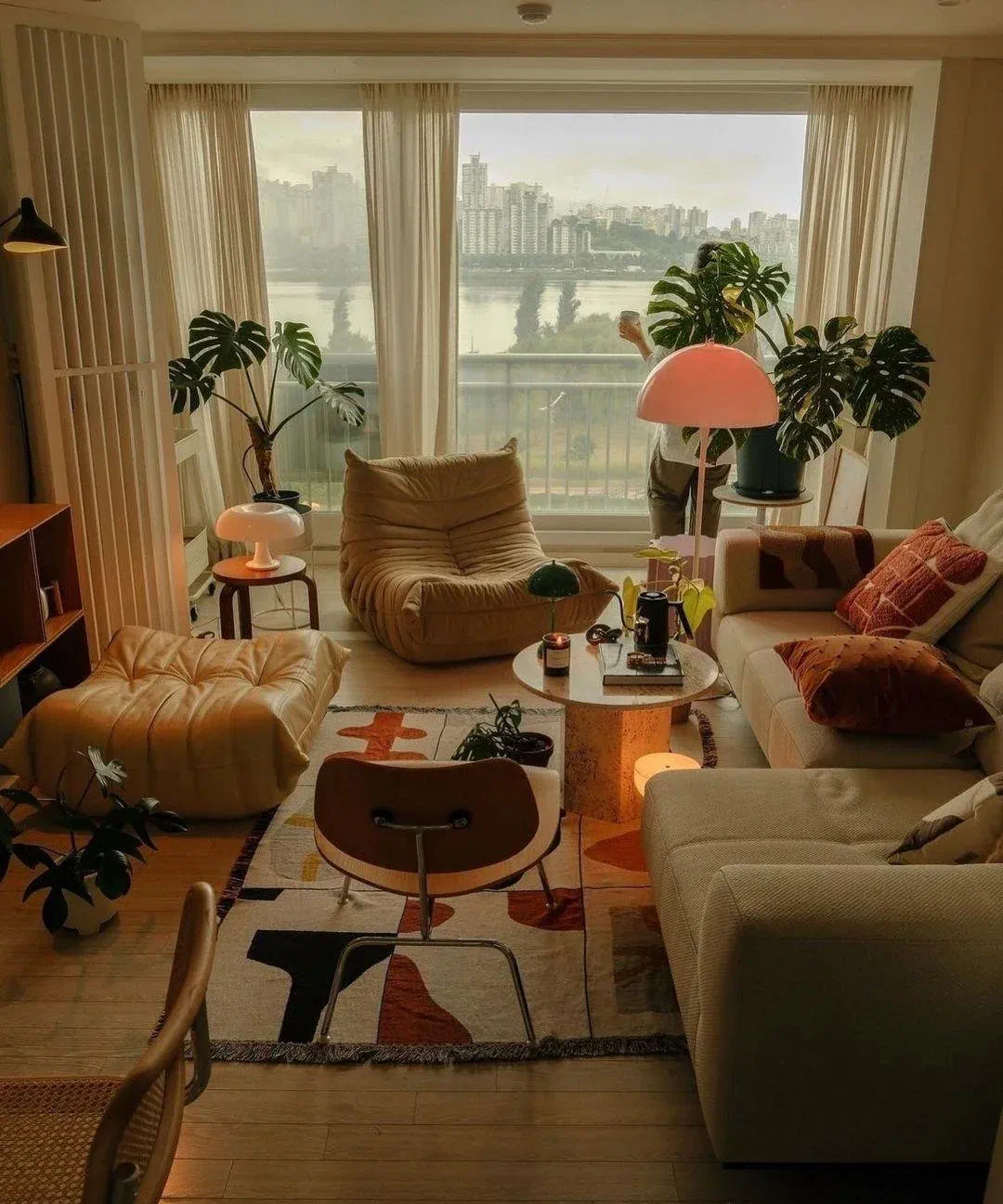
9. Small Space Solutions
Small living rooms don’t need less style, they need furniture that pulls double duty. A storage ottoman is the single best small-space swap I’d recommend: it’s a coffee table, a footrest, and hidden storage in one footprint. Mirrors plus light, neutral tones do the rest of the “feels bigger” work.
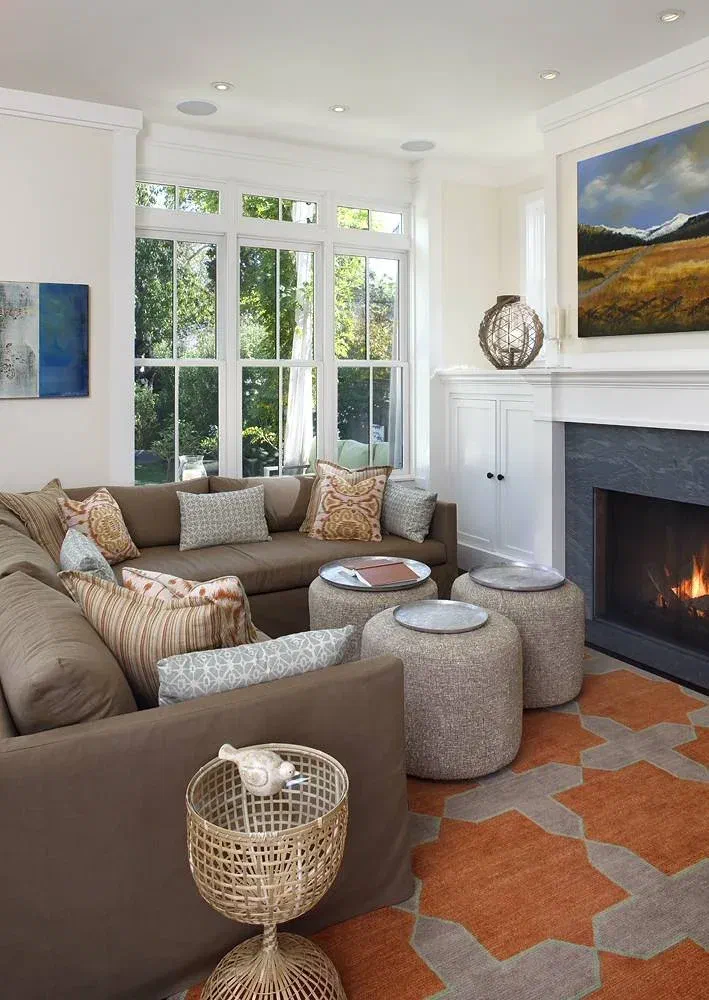
Amazon Basics Ottoman with Storage (under $70). Does exactly what it promises: a clean, no-fuss way to hide clutter in a small room. Con: it’s a basic finish, not a designer piece, so it reads more “functional” than “statement”. Pair it with a more decorative rug or throw so the room doesn’t feel purely utilitarian.
10. Modern Farmhouse Fusion
Reclaimed wood and industrial lighting against a neutral (white/beige/grey) base is the combination that keeps farmhouse style from tipping into kitsch. I’d add exactly one rustic statement piece, a coffee table or a mantel, and keep everything else clean-lined around it.
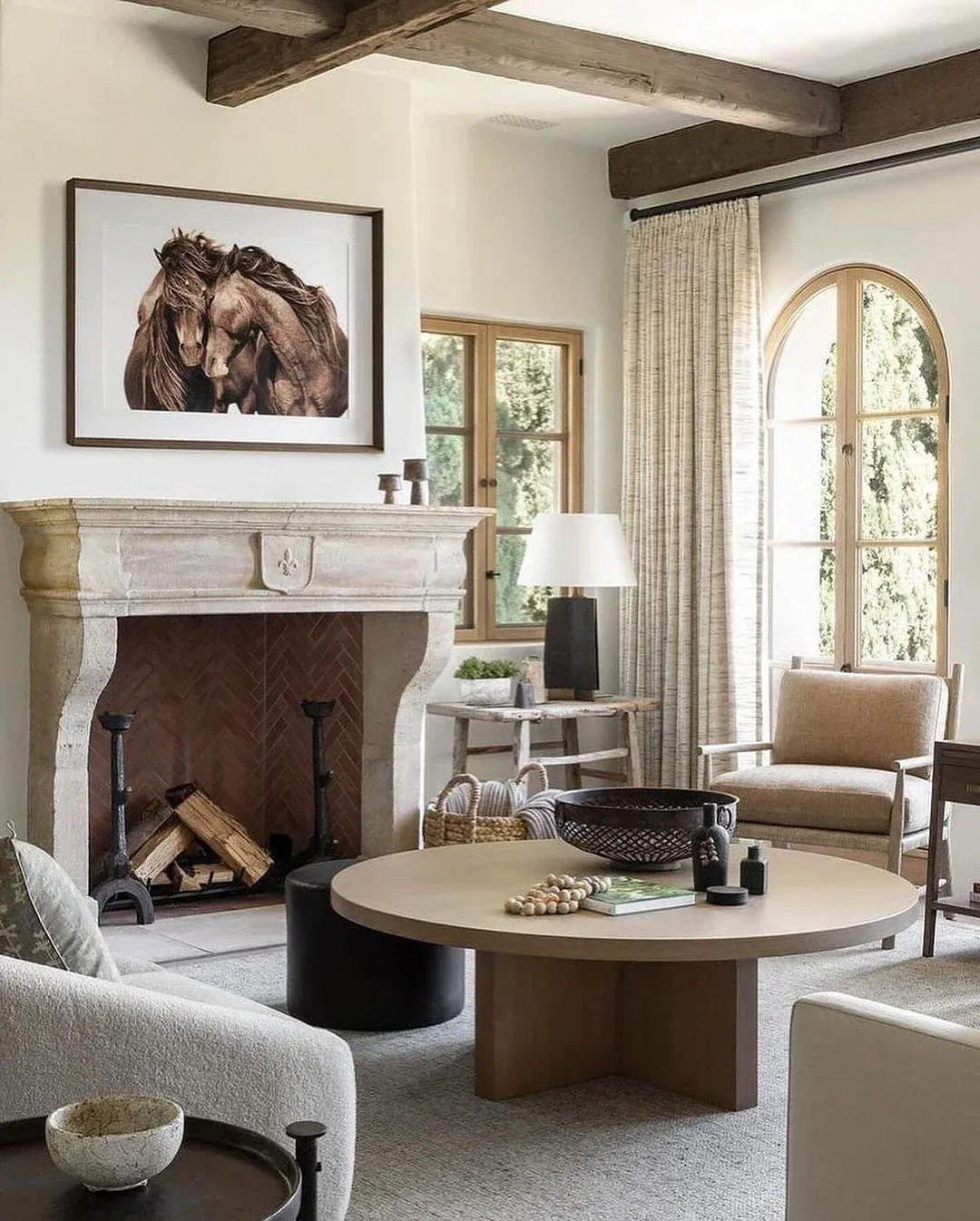
Farmhouse Lift Top Coffee Table with Sliding Barn Door (under $250). The lift top and hidden storage earn their keep in a living room that doubles as a workspace. Con: reclaimed-look barnwood finishes show scratches more visibly than a painted or laminate table.
11. Cozy and Inviting
My last pick is really a layering exercise: plush cushions, a heavy knit throw, a soft rug, and warm lighting (table lamps or string lights, never the overhead alone) over a wood-and-wool base. If you only take one idea from this whole list, I’d make it this one. It’s the cheapest to execute and does the most to make a room feel lived-in. For the fuller lighting-layering approach, see my room-by-room lighting design guide. If the overhead light is the weak spot, my best flush mount ceiling lights cover living rooms, bedrooms and hallways.
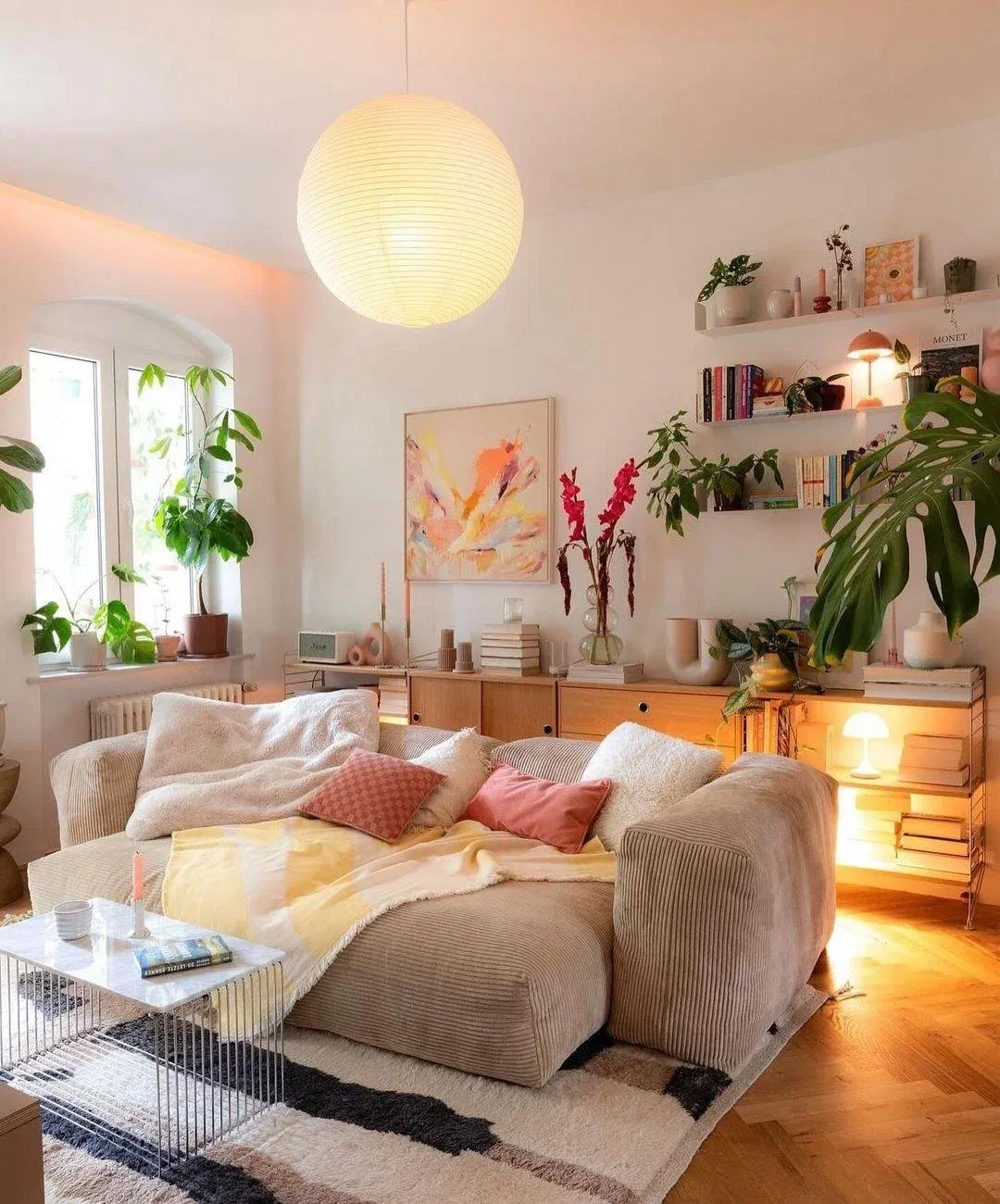
Ultra Soft Fluffy Furry Rug (under $30). Good value for the cosy-factor it adds underfoot. Con: faux-fur rugs shed more in the first few weeks than a woven rug, and they’re not the easiest to keep clean in a household with pets.
What to build the room around: TV, fireplace, or media wall
Before you pick a look from the list above, it’s worth deciding what the room actually centers on, because that choice shapes everything else you buy.
If there’s a real fireplace, I’d let it stay the visual anchor and treat the TV as the second priority. Mounting the TV above the mantel is the space-efficient choice, but it usually means looking up and slightly away from a natural eye line on the sofa, so I’d live with the position taped out in cardboard for a night before drilling into brick. Off to the side keeps the TV at a proper seated height and lets the fireplace stay the thing you actually look at when the screen’s off.
A media wall, one built-in unit housing the TV, storage, and sometimes an electric fire, sidesteps the “which one wins” question by combining both, and it’s the look I see searched for most alongside this topic. The honest trade-off is cost and permanence: it’s closer to millwork than furniture shopping, so it suits a room you’re committing to for years, not a rental or a “let’s try this and see” redecorate.
If there’s no fireplace at all, I wouldn’t force a fake focal point. A large piece of art, a bold rug, or the sofa arrangement itself anchors a room just as well, and it’s a lot easier to change your mind about later than a media wall is.
Which look actually fits your room
If I had to boil this down: Scandinavian minimalism and the cosy layering idea (11) are the two safest starting points because they age well and cost the least to get wrong. Bold patterns and modern bohemian ask for more commitment (and a household that won’t mind the maintenance), so I’d only go there if the rest of the room can stay calm around them. Mix and match rather than committing to one “style” wholesale. The best modern living rooms I’ve seen borrow a texture idea from one look and a lighting idea from another, not a single Pinterest board copied top to bottom.
Discover more ideas on the Modish Haven blog.